

It’s always a joyous occasion when a baby animal enters the world, and the excitement is even more profound when they belong to a critically endangered species. Each newborn represents a significant stride toward securing the survival of the species for generations to come.
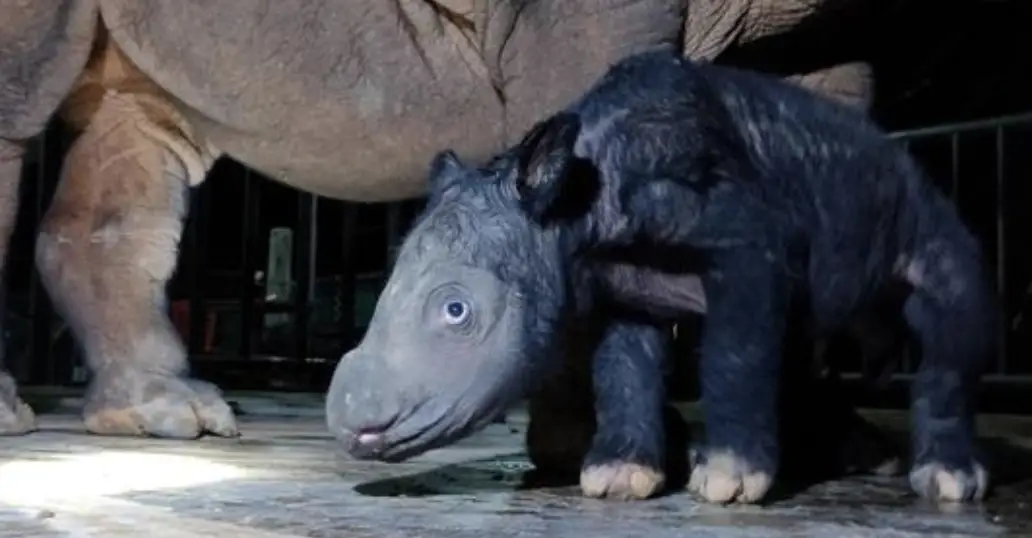
In a piece of delightful news, animal enthusiasts worldwide are rejoicing over the birth of a baby Sumatran rhino—an exceptionally rare and critically endangered species—at a sanctuary in Indonesia.
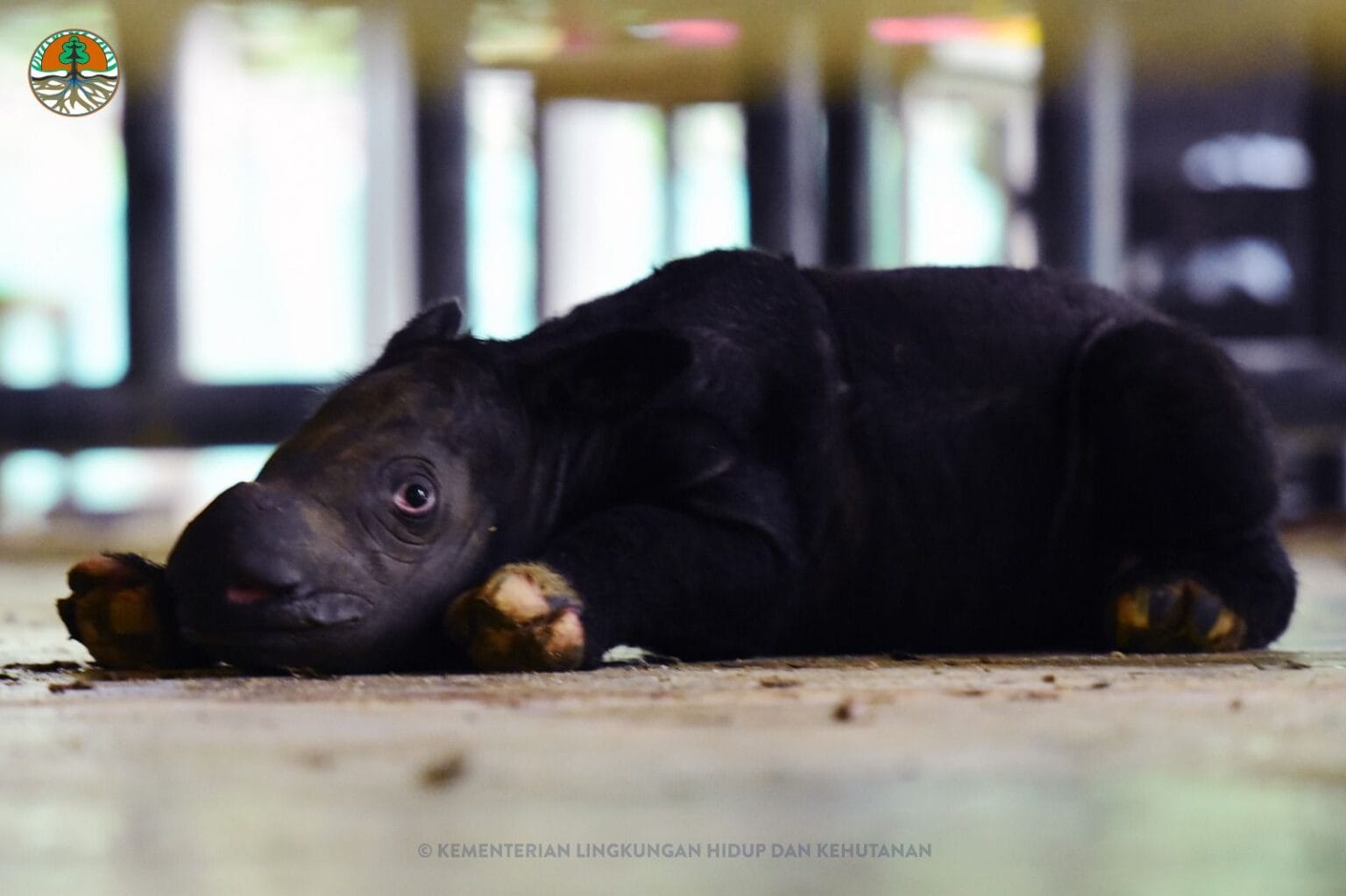
As per a press release from the Government of Indonesia, Delilah, a Sumatran rhino, welcomed her first calf on November 25 at Way Kambas National Park in Lampung Province.
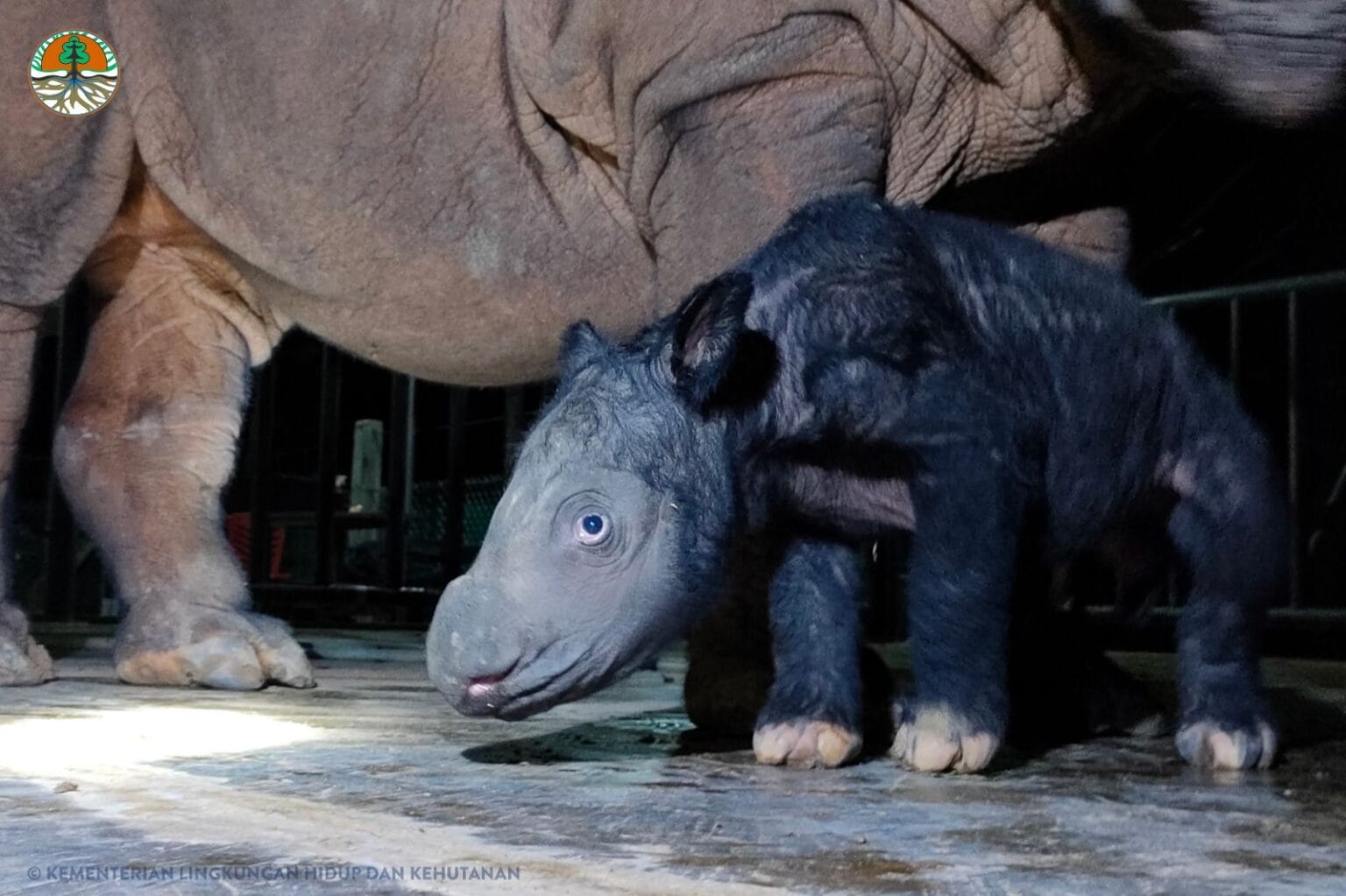
The little one is a boy, and happily, he’s reported to be in excellent health. The proud dad is Harapan, hailing from the Cincinnati Zoo and Botanical Gardens, and this marks his debut as a father.
As stated in the press release, Delilah holds the distinction of being the first Sumatran rhino born in captivity to give birth—a significant achievement in the breeding program. Born in 2016, Delilah was the second calf delivered at the Sumatran Rhino Sanctuary in Way Kambas.
Nina Fascione, the executive director of the International Rhino Foundation, shared, “You never know how a first-time mom will handle things, but Delilah effortlessly brought her calf into the world and began nursing without any fuss or commotion. It’s an extraordinary event that instills hope for the future of this critically endangered species.”
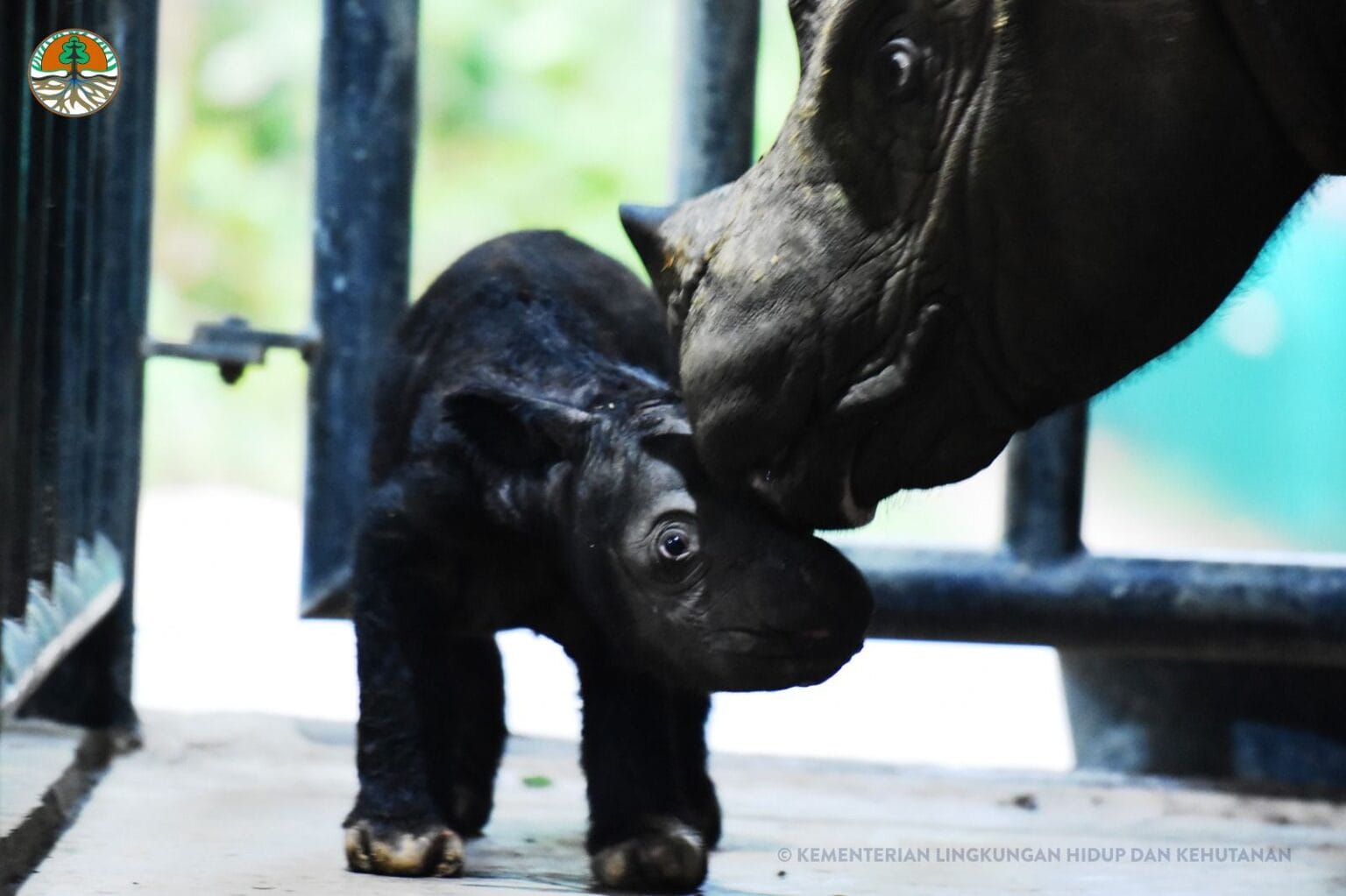
The Sumatran rhino holds the title of the smallest rhino species and is distinguished as the sole Asian rhino sporting two horns. This species faces a critical status, with a global population of fewer than 40 individuals, as reported by the World Wildlife Fund.
Their struggle is rooted in the harsh realities of poaching, driven by the high demand for their horns, and the challenges of habitat loss and fragmentation. Once widespread throughout Southeast Asia, they now inhabit the wild exclusively in the Indonesian islands of Sumatra and Borneo.
Despite these challenges, the sanctuary has achieved success in breeding Sumatran rhinos in captivity, fostering the hope that rhinos born within the sanctuary’s confines could eventually be reintroduced to their natural habitat.
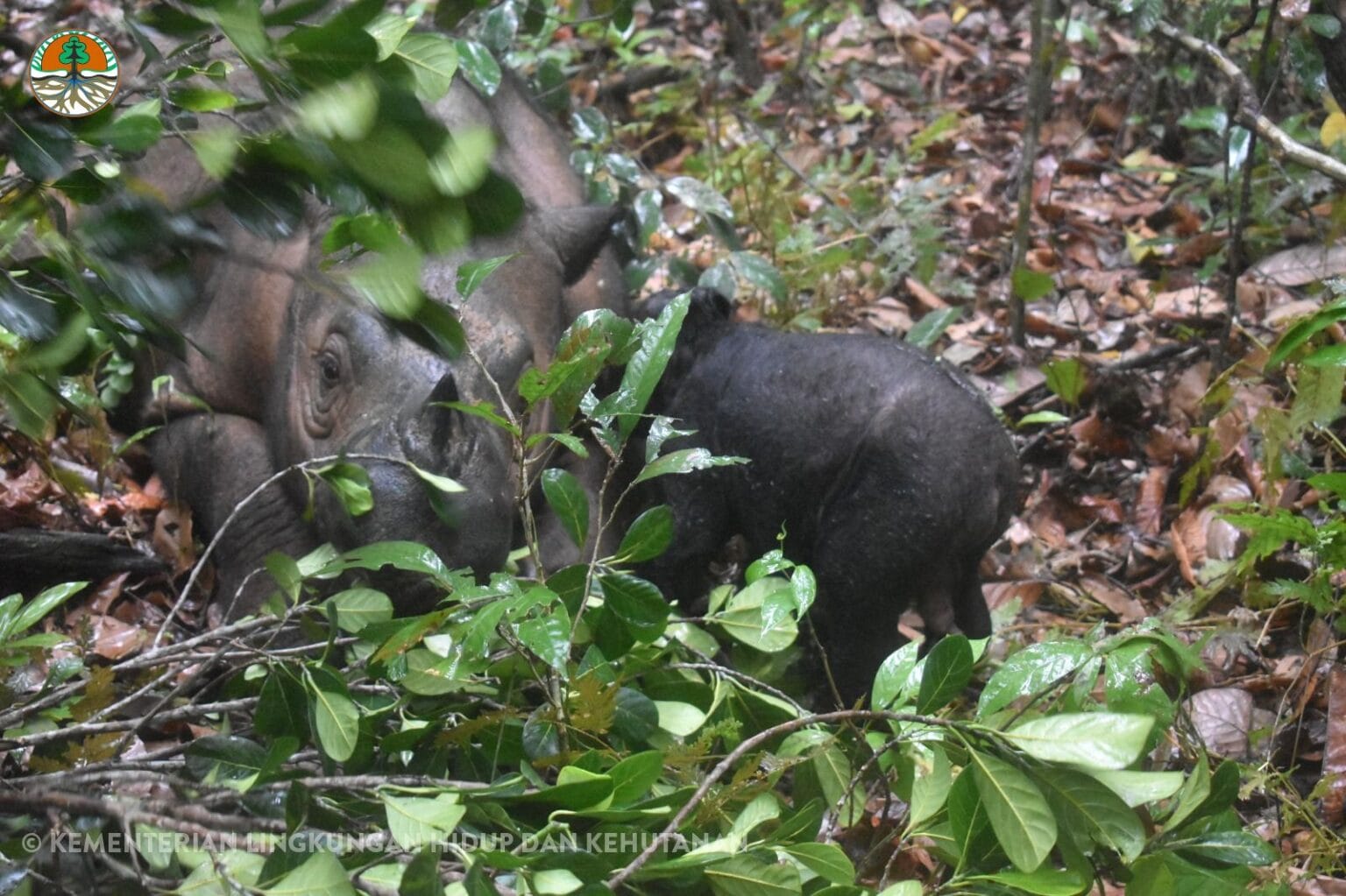
Recent weeks have brought plenty of reasons to rejoice: Delilah’s newborn marks the second rhino arrival in just two months at the SRS. In September, another mom rhino named Ratu welcomed a little female calf. As of now, the sanctuary reportedly houses ten Sumatran rhinos.
Nina Fascione expressed, “The Sumatran rhino breeding program has reached an unprecedented high. Just two years ago, there was only one pair of captive Sumatran rhinos worldwide that could successfully produce offspring. Today, we have three pairs – six rhinos in total – who have proven to be successful breeders. These improved odds significantly enhance the prospects for the long-term survival of this species.”